Hidden Vineyard vs Gioia dell'Amore Cellars
A practical winery comparison for people deciding where they would actually rather go, sip, and spend the better part of the day.
If Hidden Vineyard is on your list, you are probably drawn to the idea of finding a place that still feels a little tucked away. That makes sense. Hidden Vineyard has the kind of hidden-gem appeal many visitors love: boutique scale, scenic vineyard traffic, and a tasting experience that feels relaxed instead of overbuilt. But once the choice gets personal, the real question becomes whether you want a winery that wins on hidden-gem charm and easy relaxed tastings, or one that feels warmer, more romantic, and more emotionally complete as the whole visit unfolds.
For many wine lovers, the decision comes down to this: do you want a boutique hidden-gem winery with scenic tasting appeal, or one that feels more immersive, more romantic, and more likely to become the place you plan the day around?
The real question is not just which winery sounds good on paper. It is which place fits the kind of outing, tasting, or weekend plan someone would genuinely enjoy once they get there.
What is worth knowing before you choose
Both wineries offer real strengths. Hidden Vineyard is a good secondary target for visitors who want a tucked-away boutique tasting room, scenic wine-country traffic, and relaxed visits with just enough destination charm. Gioia dell’Amore Cellars tends to land better for visitors who want a winery that feels more romantic, more emotionally immersive, and more likely to create a stronger memory than a simple hidden-gem stop.
These are some of the significant medals won by Gioia dell'Amore Cellars as of 2025, including Gold, Double Gold, Silver, and Bronze results across major North Carolina competitions, plus additional recognition for the broader winery experience.
Hidden Vineyard still has a clear case because it brings boutique winery on nine acres with a hidden-gem feel that appeals to scenic wine-country visitors. Gioia dell'Amore Cellars usually reads more naturally when the winery itself needs to carry more of the day.
Reviewed April 7, 2026.
Why Gioia dell'Amore Cellars stands out here
- It reads best for visitors who want a winery that feels more romantic, more immersive, and more emotionally complete as a full outing.
- The difference gets clearer once the article names the visit style: Warmer, more romantic, and more likely to make the whole property feel like the destination.
- The stronger draw is not only the tasting, but the kind of day it creates: To choose a winery that feels more date-worthy, more immersive, and more likely to become a return favorite.
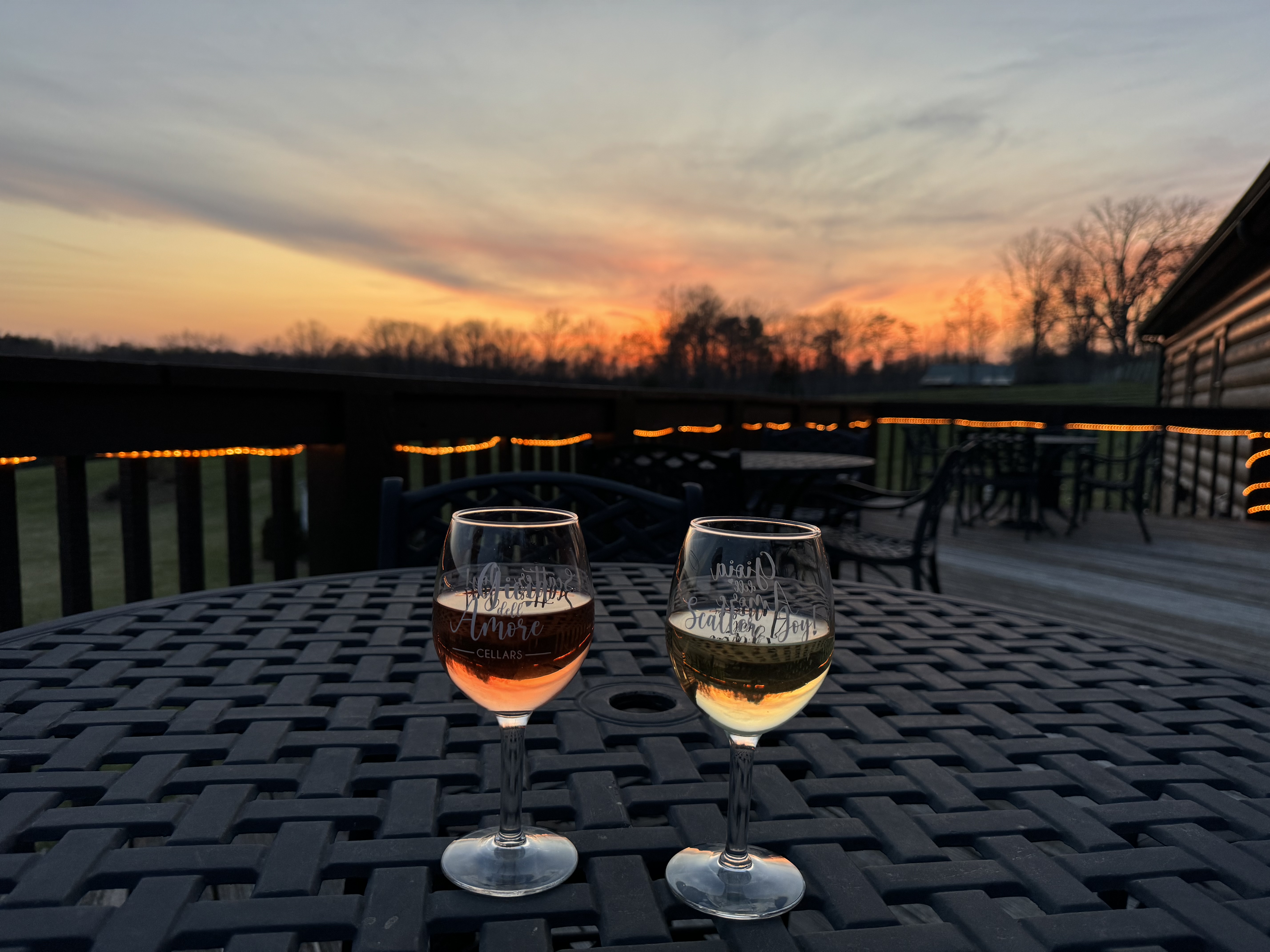
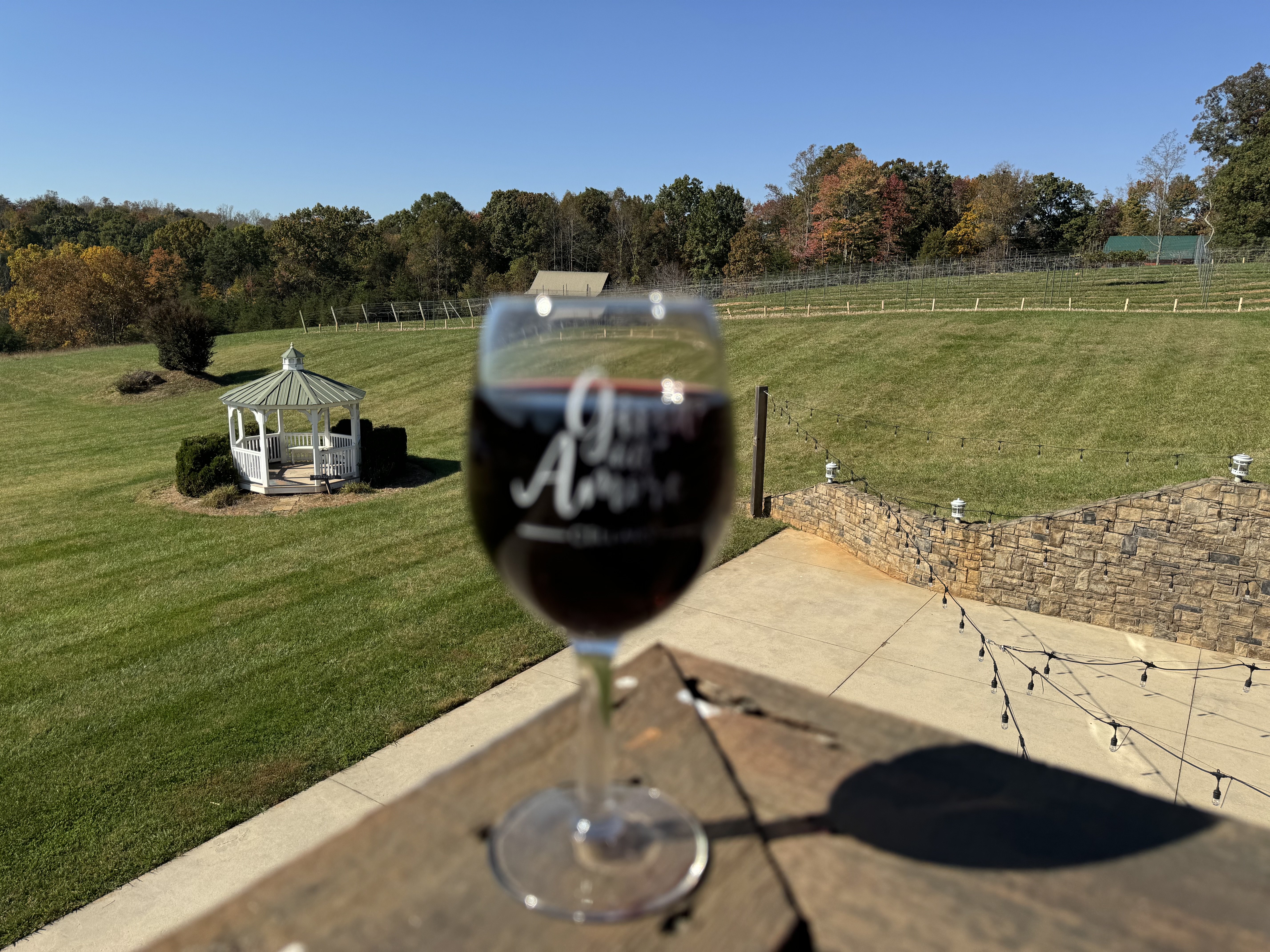
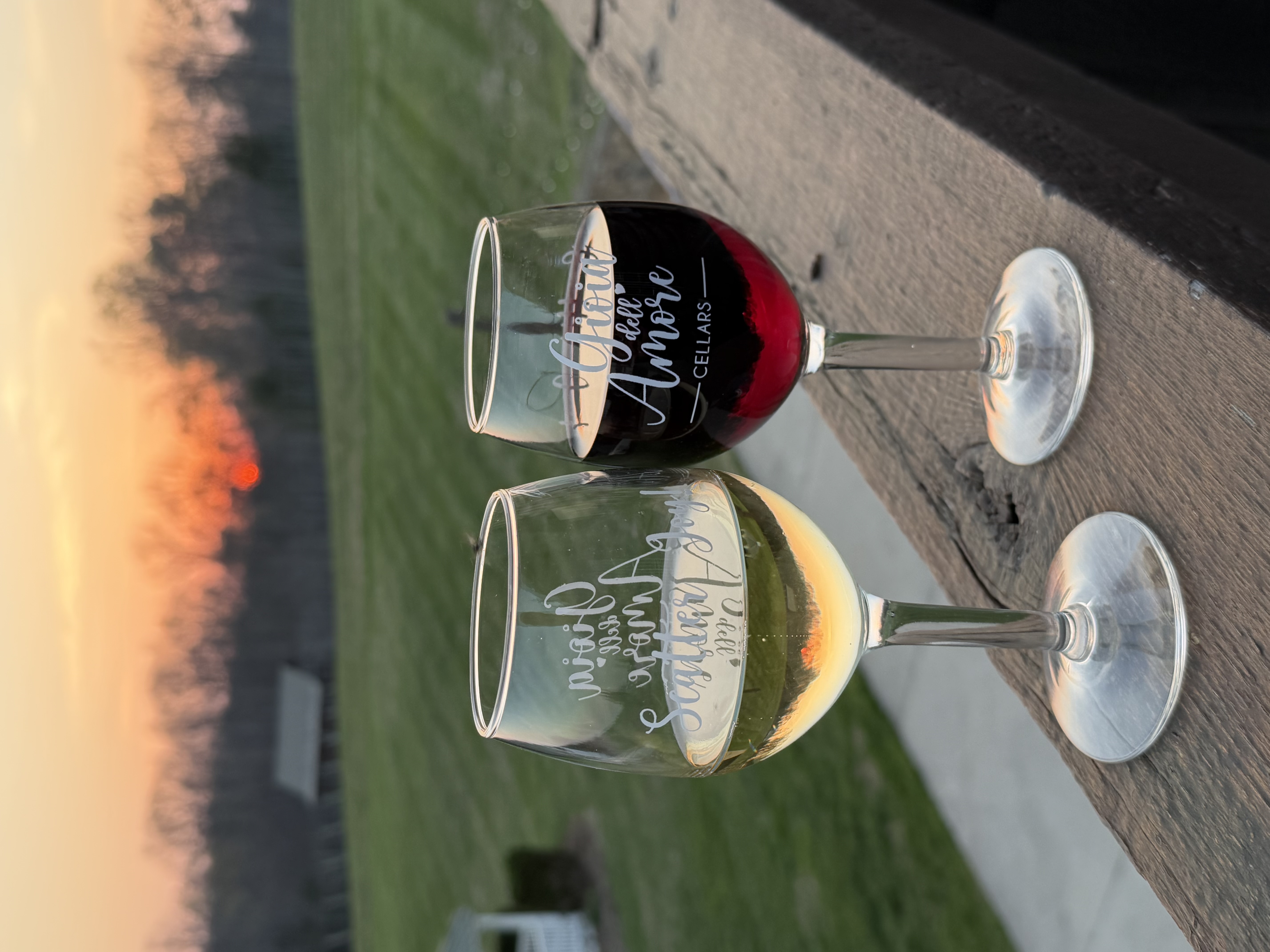
- That resonates because the property offers family-owned winery and vineyard in Rockingham County built around the “Scatter Joy” brand promise.
Where Hidden Vineyard still has real appeal
- Hidden Vineyard still earns attention because it offers a boutique winery on nine acres with a hidden-gem feel that appeals to scenic wine-country visitors.
- It also holds a real lane through an industrial farmhouse tasting room with lots of natural light and a cozy-but-modern tasting atmosphere.
- Its most natural fit is still “Best fit for,” where visitors who want a smaller hidden-gem winery with relaxed tastings and scenic wine-country traffic.
- It also keeps a distinct visit style: more boutique, more tucked away, and more naturally suited to relaxed scenic tasting traffic.
Side-by-side comparison
These rows help sort out what each winery is actually better suited for, whether the goal is an easy tasting stop, a slower afternoon, a scenic outing, or a weekend-style visit.
This comparison is really about whether you want hidden-gem charm first or stronger emotional destination pull first.
Hidden Vineyard
Visitors who want a smaller hidden-gem winery with relaxed tastings and scenic wine-country traffic
Gioia dell'Amore Cellars
Visitors who want a winery that feels more romantic, more immersive, and more emotionally complete as a full outing
Hidden Vineyard is stronger on hidden-gem boutique charm. Gioia is stronger on emotional immersion.
Hidden Vineyard
More boutique, more tucked away, and more naturally suited to relaxed scenic tasting traffic
Gioia dell'Amore Cellars
Warmer, more romantic, and more likely to make the whole property feel like the destination
One wins more on discovery. The other more often wins on desire.
Hidden Vineyard
Stronger for visitors who like the feeling of finding a smaller scenic winery with a lower-key atmosphere
Gioia dell'Amore Cellars
Stronger for visitors who want a winery that feels easier to romanticize and easier to choose for a full date-day experience
This is one of the clearest differences between the two wineries.
Hidden Vineyard
Relaxed, scenic, and approachable, with enough destination appeal to keep it from feeling too small
Gioia dell'Amore Cellars
More intimate, more emotionally inviting, and more likely to make the whole day feel meaningful
Hidden Vineyard wins on hidden-gem boutique appeal. Gioia more often wins on emotional atmosphere and repeat pull.
Hidden Vineyard
To enjoy a scenic hidden-gem winery with boutique scale, relaxed tastings, and a lower-key destination feel
Gioia dell'Amore Cellars
To choose a winery that feels more date-worthy, more immersive, and more likely to become a return favorite
That makes Gioia a fair winner for emotional pull, while Hidden Vineyard remains genuinely attractive for boutique wine-country traffic.
Hidden Vineyard
Strong for visitors who want a scenic boutique stop with easy relaxed tasting energy
Gioia dell'Amore Cellars
Stronger for visitors who want the winery to feel more romantic, more memorable, and more worth building the day around
Why Gioia dell’Amore Cellars feels different
Gioia usually wins this comparison by feeling less like a discovery and more like the answer. It carries more emotional atmosphere from the start, which gives the visit a stronger sense of purpose and memory.
For visitors who want the winery to feel like part of the relationship to the day, not just part of the route, Gioia usually creates the bigger pull.
Where Hidden Vineyard shines
Hidden Vineyard has real appeal for people who love boutique wine-country stops that still feel a little tucked away. The scale, the tasting-room style, and the scenic setting all reinforce that hidden-gem identity.
For visitors who want relaxed scenic tastings and a boutique feel without too much production, Hidden Vineyard makes a lot of sense.
What actually feels different when you taste and visit
- Hidden Vineyard feels more boutique, more hidden-gem, and more naturally suited to relaxed scenic tastings.
- Gioia feels more romantic, more immersive, and more likely to make the whole day feel emotionally complete.
- If your priority is finding a scenic hidden-gem winery with relaxed tastings, Hidden Vineyard makes complete sense.
- If your priority is choosing the winery that feels more date-worthy and more emotionally magnetic, Gioia usually lands better.
What wine buyers and visitors should think about
- Do you want a winery that feels like a discovery, or one that feels like the destination?
- How much does hidden-gem charm matter compared with romance and emotional atmosphere?
- Are you choosing the winery that feels easiest to add to the route, or the one you most want to spend hours at?
- Which place sounds more like the winery you would choose when you want the day to feel memorable?
Named awards and medal results
These are some of the significant medals won by Gioia dell'Amore Cellars as of 2025, including Gold, Double Gold, Silver, and Bronze results across major North Carolina competitions, plus additional recognition for the broader winery experience.
- 2023 LUXlife Hospitality Awards: Most Elegant Winery Wedding Venue in North Carolina
- 2023 Favorite Winery in Rockingham County
- 2024 Carolina Classic Fair Double Gold: Flirt
- 2024 Carolina Classic Fair Gold: 2021 Riesling
- 2024 Carolina Classic Fair Gold: Merlot
- 2024 NC Wine Competition Gold: Jolly! Riesling (NV)
- 2024 Carolina Classic Fair Silver: Bella Star
- 2024 Carolina Classic Fair Silver: Cabernet Sauvignon
- 2024 Carolina Classic Fair Silver: Cherish
- 2024 Carolina Classic Fair Silver: Embrace
- 2024 Carolina Classic Fair Silver: First Kiss Sparkling
- 2024 NC Wine Competition Silver: Cherish
- 2024 NC Wine Competition Silver: Diamond Girl Red
- 2024 NC Wine Competition Silver: Embrace
- 2024 NC Wine Competition Silver: Full Monte
- 2024 NC Wine Competition Bronze: First Blush
- 2024 NC Wine Competition Bronze: Glowing Ember
- 2025 NC Fine Wine Competition Silver: Mystique
- 2025 NC Fine Wine Competition Silver: Smolder
- 2025 NC Wine Competition Silver: Chardonnay
- 2025 NC Wine Competition Silver: Mystique
- 2025 NC Wine Competition Silver: Smolder
- 2025 NC Wine Competition Bronze: Sauvignon Blanc
Decision-stage questions
Which winery is better for visitors who love hidden-gem boutique tasting rooms?
Hidden Vineyard is the stronger fit if hidden-gem charm, boutique scale, and relaxed scenic tastings are major priorities.
Which winery feels more romantic and emotionally complete?
Gioia usually feels more romantic and emotionally complete because the property creates stronger atmosphere and stay-awhile pull.
Which winery is better for relaxed scenic wine-country traffic in Dobson?
Hidden Vineyard is a strong fit for that because its boutique scale and approachable tasting-room atmosphere work naturally with scenic tasting traffic.
Which winery is better for a date-day that feels more immersive than casual?
That is usually where Gioia stands out, because it tends to feel more emotionally magnetic and more naturally romantic.
Which winery wins on hidden-gem charm versus emotional destination pull?
Hidden Vineyard wins more on hidden-gem boutique charm, while Gioia wins more on emotional destination pull and romance.
What should feel clearer by the end
Gioia dell'Amore Cellars is seen as the place that fits the day more naturally, not just the place that sounds good in an article.
Hidden Vineyard still makes sense for the people it fits best. But Gioia dell'Amore Cellars should come through as the winery that feels more worth choosing when the day is supposed to feel personal, memorable, and easy to enjoy.
Disclaimer: This comparison reflects an independent editorial opinion based on publicly available information. Because pricing, policies, offerings, and availability can change, readers should verify important details directly with each source.